Ireland

History

From a passage tomb older than the pyramids to now. Not a textbook: the context that helps you understand what you're going to see, and where it still stands.

  1. c. 3200 BC
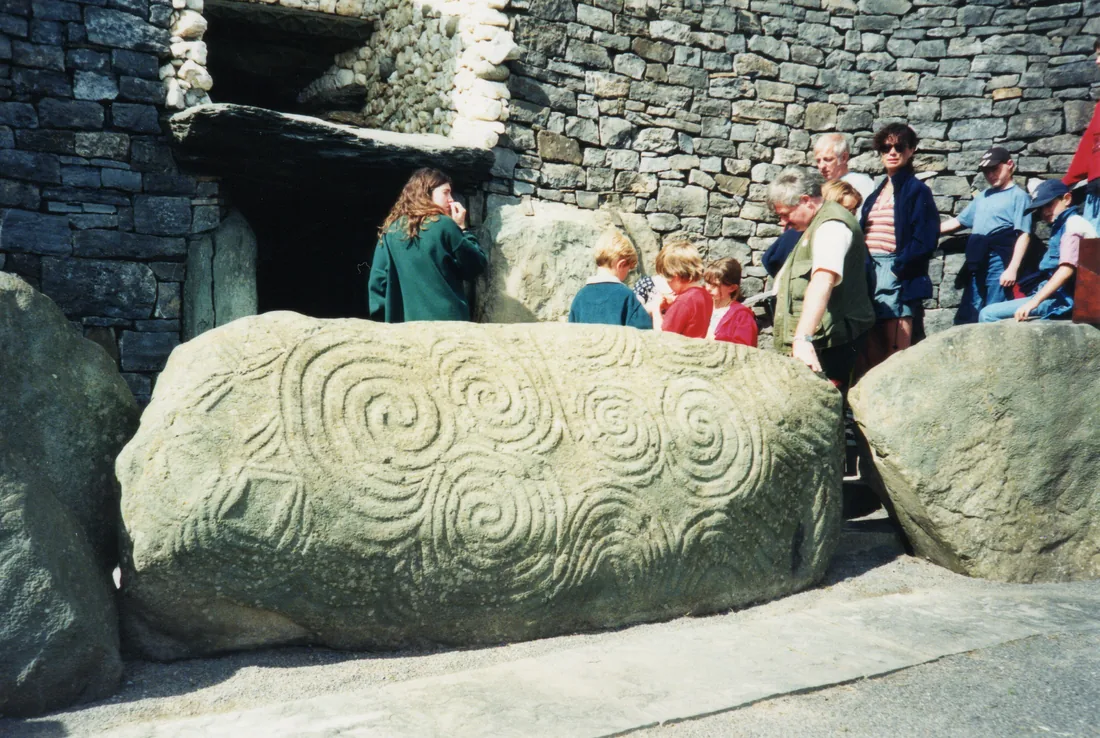
    Newgrange
    Stanley Howe — CC BY-SA 2.0

    Newgrange

    Five hundred years before the first pyramid, farmers in the Boyne Valley built a passage tomb with a roof box aligned so precisely that on the winter solstice the sunrise runs the length of the passage and lights the chamber. It still does, without a single repair to the alignment.

    What's left

    Brú na Bóinne is a UNESCO site, visited from the centre at Donore. The solstice places are drawn by lottery every year — thousands enter.

    In the guideLeinster →
  2. 5th – 9th century
    Saints and scribes
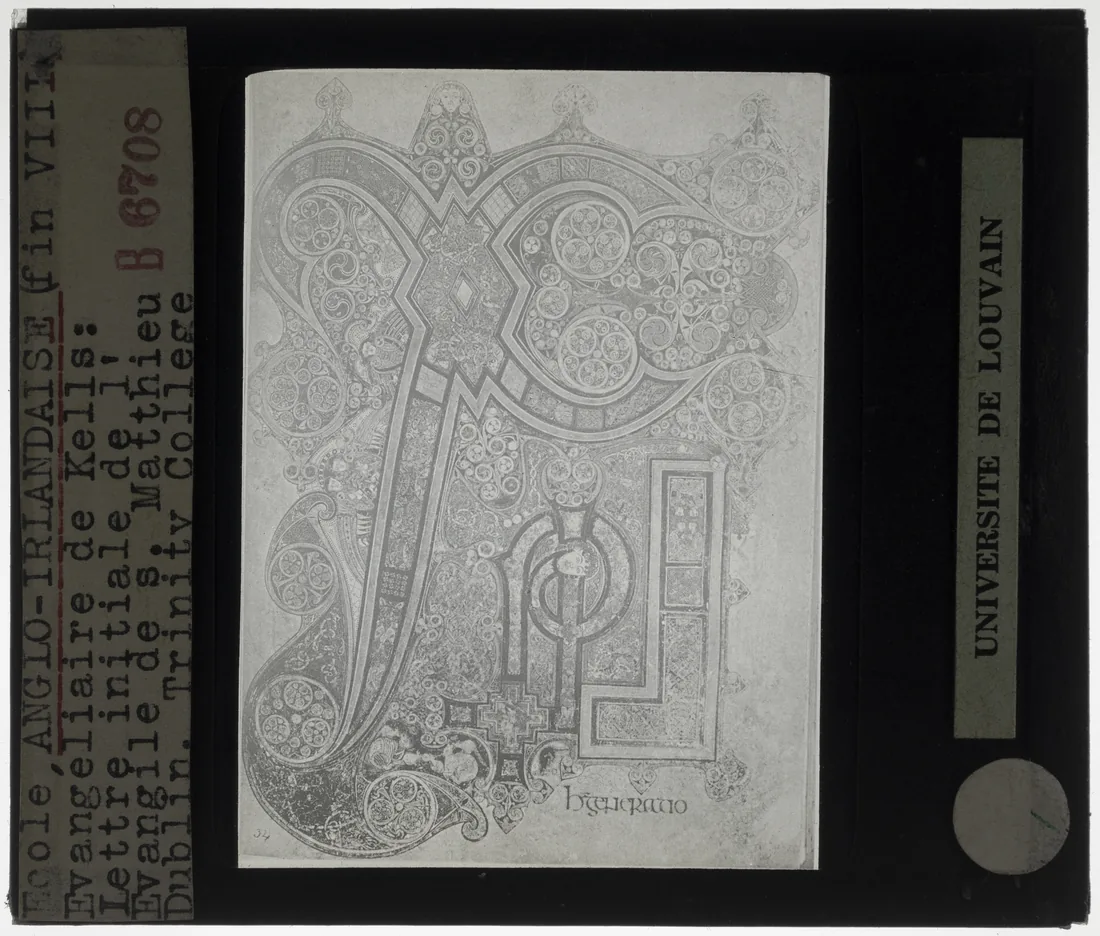
    Unknown scribe, c. 800 — public domain

    Saints and scribes

    Christianity arrived without an empire behind it and without a martyr, so it grew around monasteries rather than towns. For three centuries those monasteries copied and kept books while much of Europe was losing them, and sent monks back out to Iona, Lindisfarne and beyond.

    What's left

    The Book of Kells is in Trinity College Dublin. Glendalough, in Wicklow, is a whole monastic valley you can walk through — round tower included.

    In the guideLeinster →
  3. 795 – 1014
    The Vikings
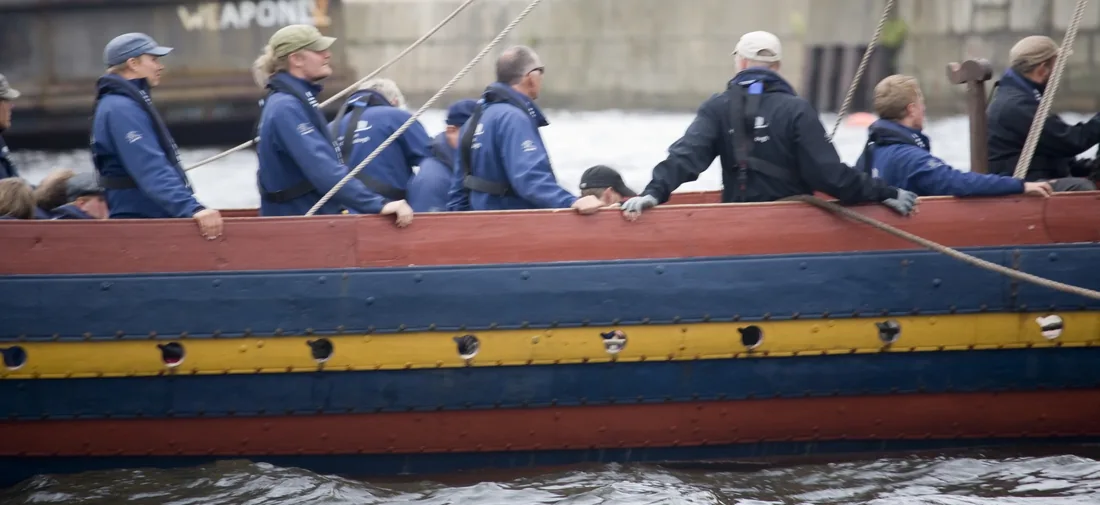
    William Murphy — CC BY-SA 2.0

    The Vikings

    The raids started on the island monasteries and turned into settlement. The Norse founded Dublin, Waterford, Wexford, Cork and Limerick — Ireland's first real towns. Brian Boru broke their power at Clontarf in 1014 and died in the battle.

    What's left

    Waterford's Viking Triangle, and the Dublinia museum on the site of the Norse city. Half the port towns on the map were named by Norsemen.

    In the guideLeinster →
  4. 1169
    The Normans arrive
    William Murphy — CC BY-SA 2.0

    The Normans arrive

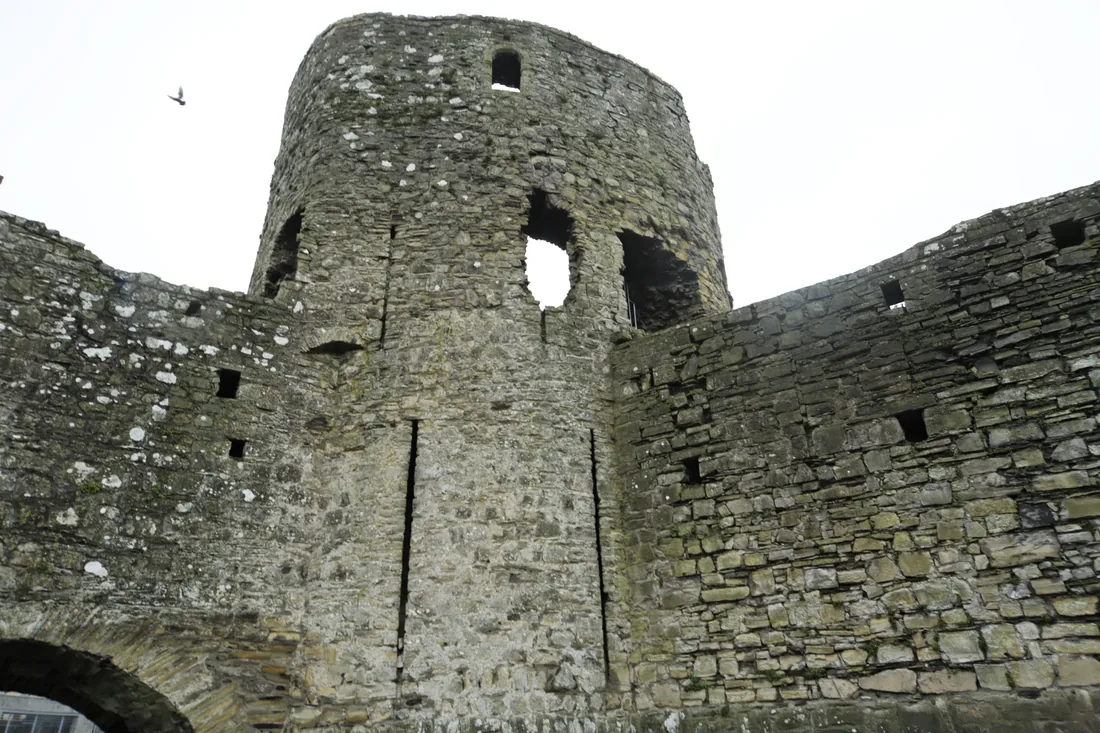
    A deposed king of Leinster asked Anglo-Norman lords for help getting his throne back. They came, they won, and they stayed — and the following year the king of England came over to make sure they answered to him. Everything that follows, for eight hundred years, starts here.

    What's left

    Trim Castle in Meath is the largest Norman castle in Ireland, and the one where they filmed Braveheart. Kilkenny Castle held the same family for six centuries.

    In the guideLeinster →
  5. 1601 – 1691
    Conquest and plantation
    Berthold Werner — CC BY-SA 4.0

    Conquest and plantation

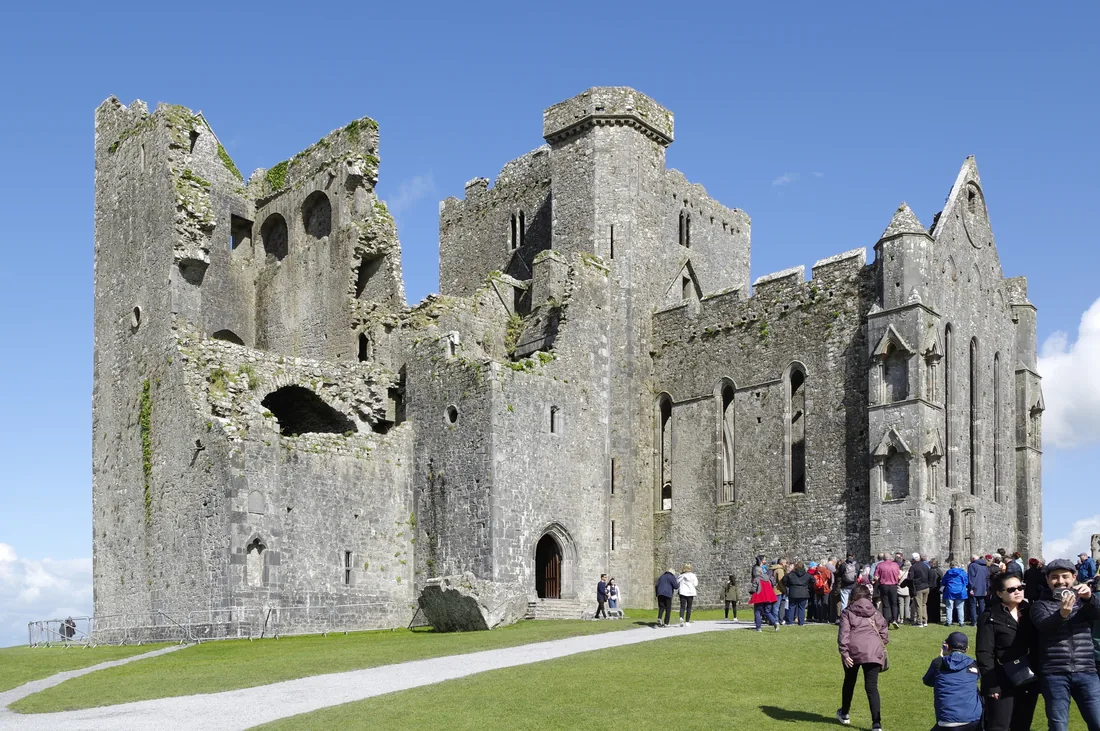
    The defeat at Kinsale and the departure of the Ulster earls in 1607 ended Gaelic Ireland as a political order. Land was confiscated and given to settlers from England and Scotland. Cromwell's campaign in 1649 and the Williamite war that ended in 1691 finished the job and set the pattern of ownership that lasted into the twentieth century.

    What's left

    The Rock of Cashel, burned in 1647. The walls of Derry, built for the plantation and still complete — you can walk the full circuit.

    In the guideMunster →
  6. 1845 – 1852
    An Gorta Mór
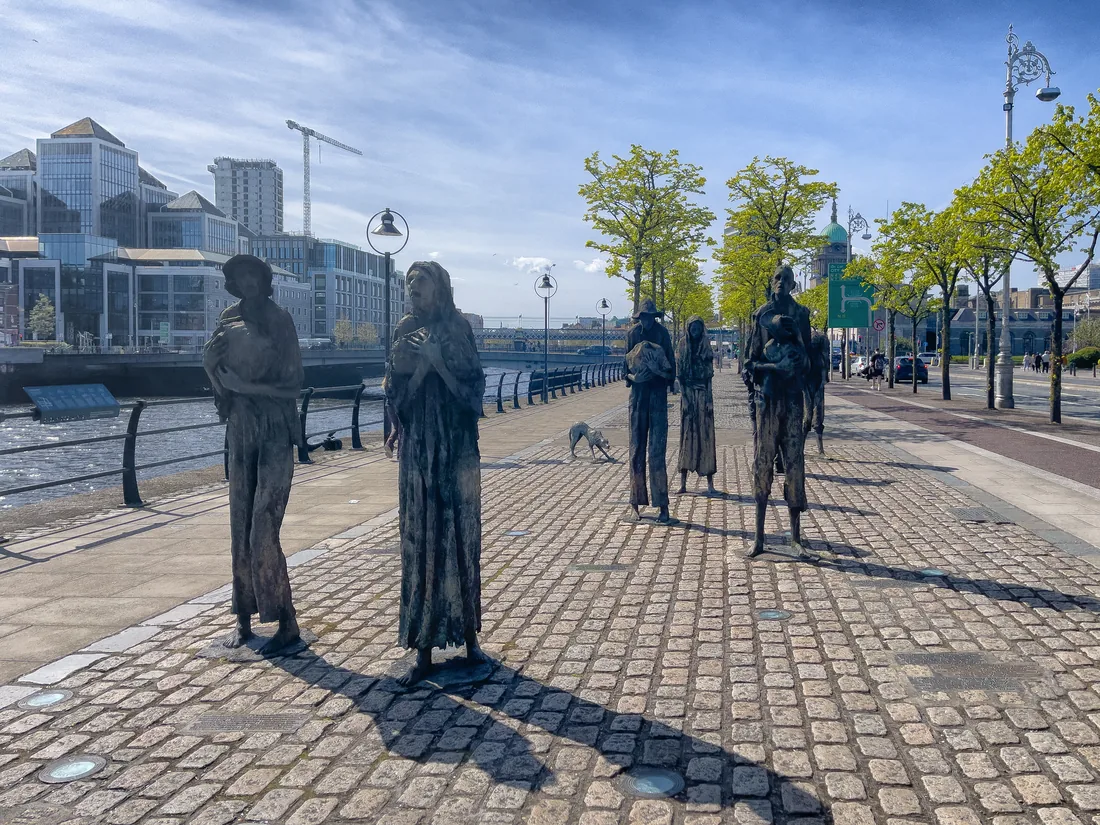
    Sculpture by Rowan Gillespie; photo William Murphy — CC BY-SA 2.0

    An Gorta Mór

    A potato blight destroyed the crop that half the population lived on. About a million people died and another million emigrated, while food was still being exported from Irish ports. The island's population has never returned to its 1841 level — that is how deep the mark goes.

    What's left

    The Famine Memorial on Dublin's quays, and the tall ship Jeanie Johnston moored beside it. The National Famine Museum at Strokestown Park keeps the estate records of the evictions.

    In the guideConnacht →
  7. Easter 1916
    The Rising
    Suzanne Mischyshyn — CC BY-SA 2.0

    The Rising

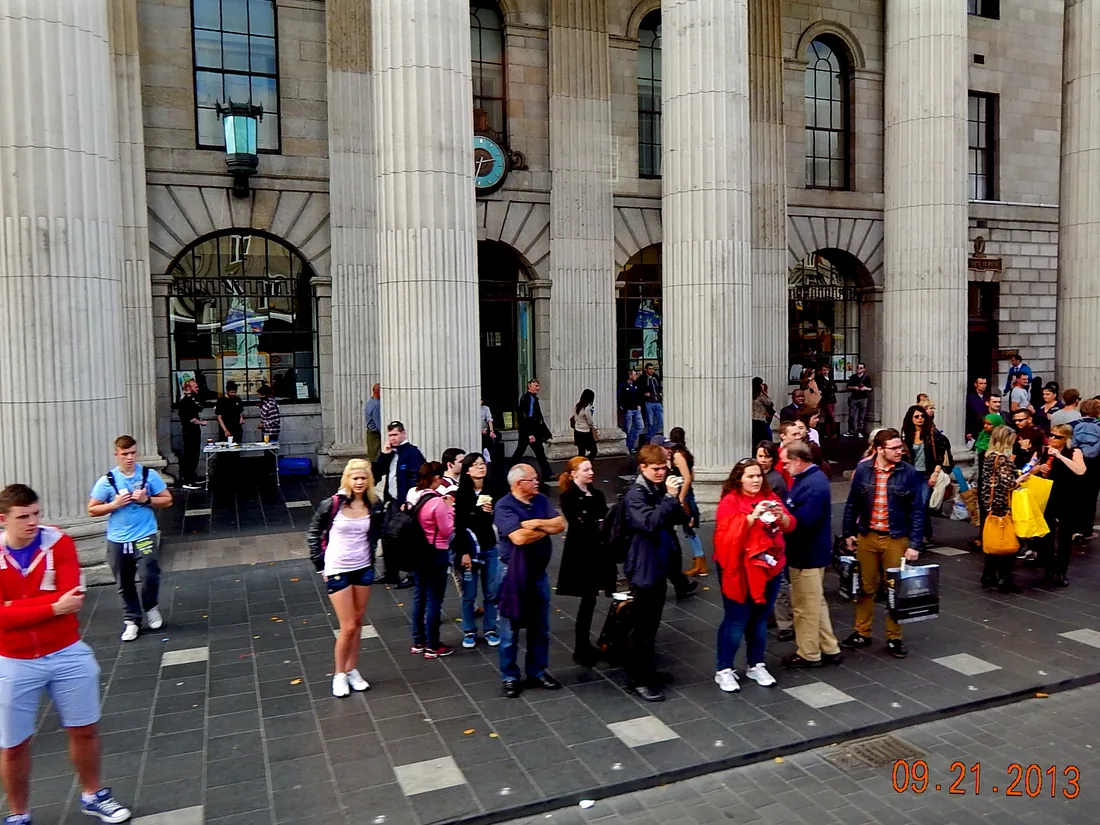
    About 1,500 volunteers took the General Post Office and other buildings in Dublin and read out a proclamation of a republic. It was over in six days and the city was shelled. Dublin was largely hostile to it — until fifteen of the leaders were executed over the following weeks, and opinion turned entirely.

    What's left

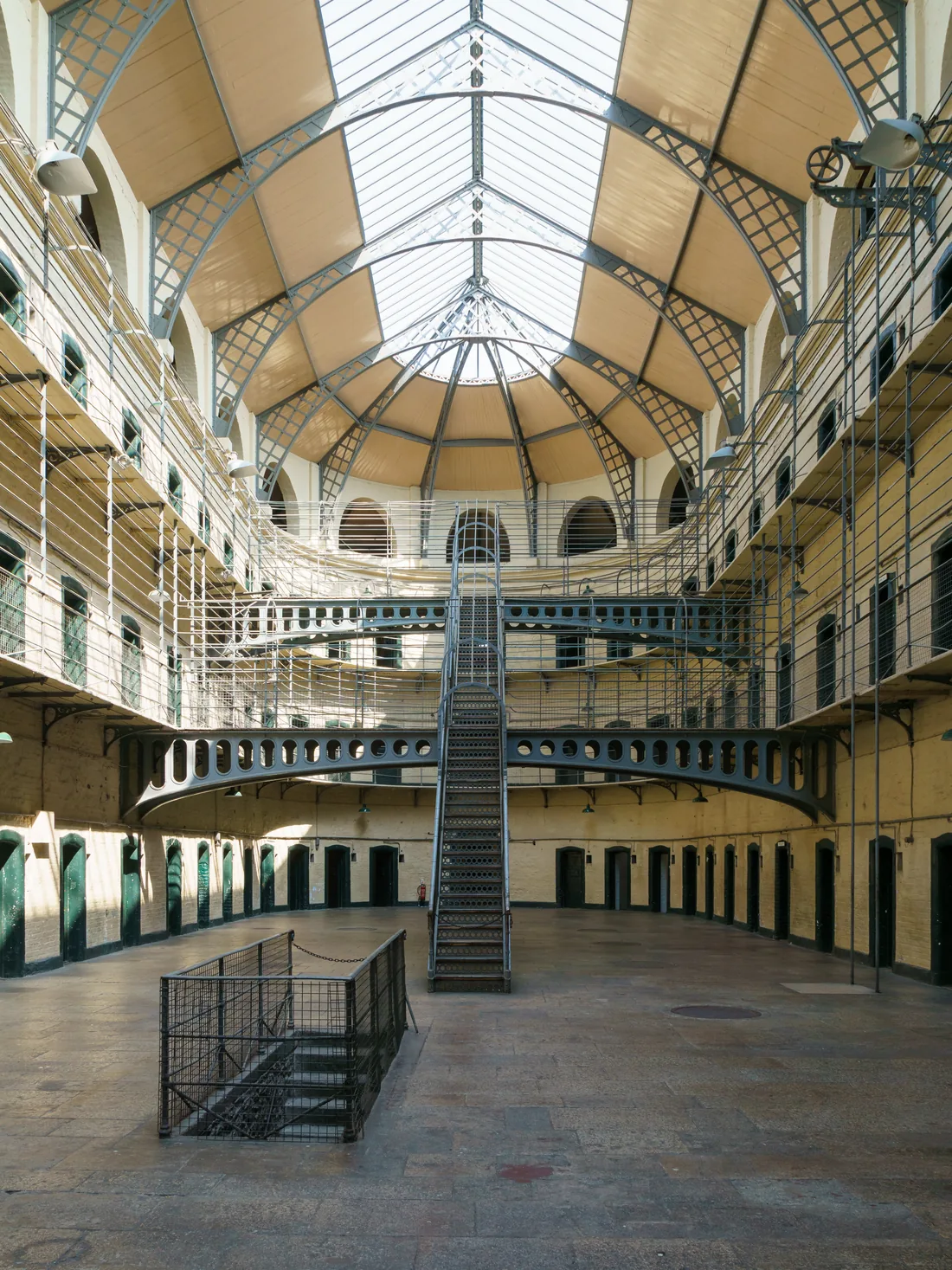
    The GPO on O'Connell Street is still a working post office, with a museum inside. Kilmainham Gaol, where the executions took place, is visited by guided tour.

    In the guideLeinster →
  8. 1919 – 1923
    Independence, and the split
    Colin — CC BY-SA 4.0

    Independence, and the split

    A war of independence ended in a treaty that gave twenty-six counties self-government but left six in the United Kingdom, and required an oath to the crown. The men who had fought the war together then fought each other over it for a year. The Republic was declared in 1949; the two big parties still descend from the two sides of that argument.

    What's left

    The Treaty was signed and debated in Dublin — the rooms are open, at the Mansion House and Dublin Castle. The border it drew is now invisible, and that took until 1998.

    In the guideLeinster →
  9. 1973 – today

    Europe, and after

    Ireland joined the European Communities in 1973 and spent the next half-century changing faster than almost any country in Europe: from emigration to immigration, from one of the poorest economies in the bloc to one of the richest, and through a run of referendums that rewrote the social contract.

    What's left

    It shows up everywhere — the roads, the ports, and the fact that a country people used to leave is one people now arrive in.

    In the guideLeinster →