Northern Ireland

History

From forty thousand basalt columns to a peace that is younger than most of the people living under it. Not a textbook, and not a verdict: the context that helps you understand what you're going to see.

  1. 60 million years ago
    The Causeway
    Chmee2 — CC BY 3.0

    The Causeway

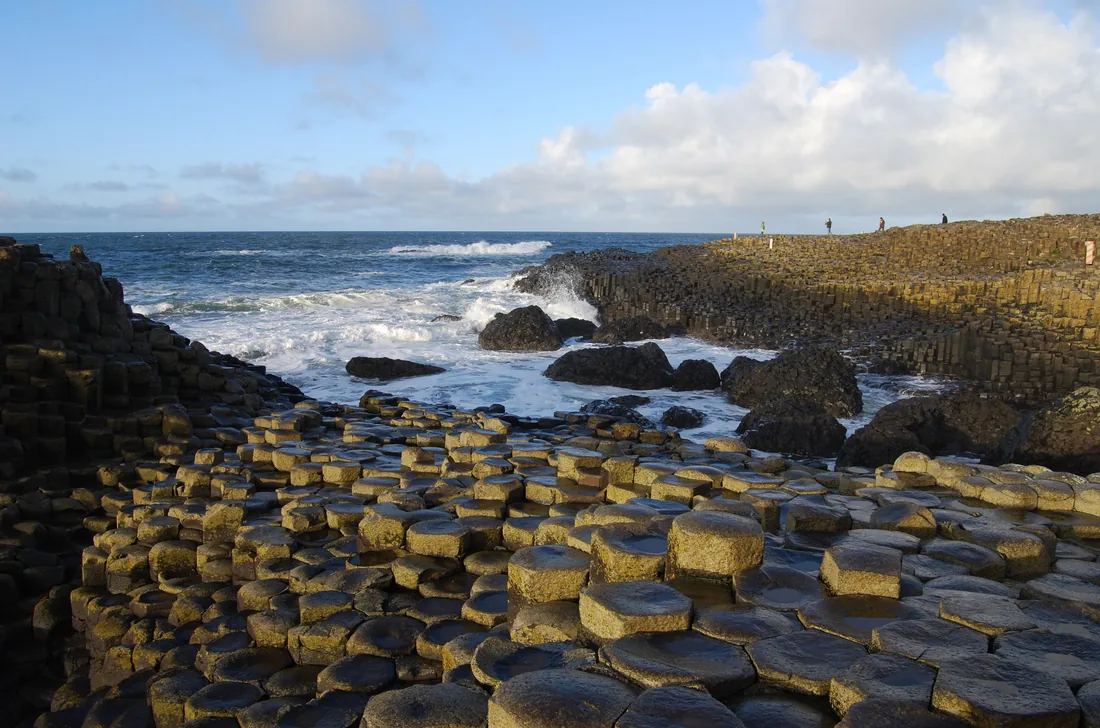
    A lava flow cooled slowly and cracked into some forty thousand columns, most of them six-sided, stepping down into the sea. The geology was only accepted in the nineteenth century; the older explanation was that the giant Finn McCool built a road to Scotland, and that one is still told better.

    What's left

    The Giant's Causeway is Northern Ireland's only UNESCO World Heritage Site, on the Antrim coast. The columns are free to walk on.

    In the guideCauseway Coast & Glens →
  2. c. 600 BC – 400 AD
    Emain Macha
    Jon Sullivan — public domain

    Emain Macha

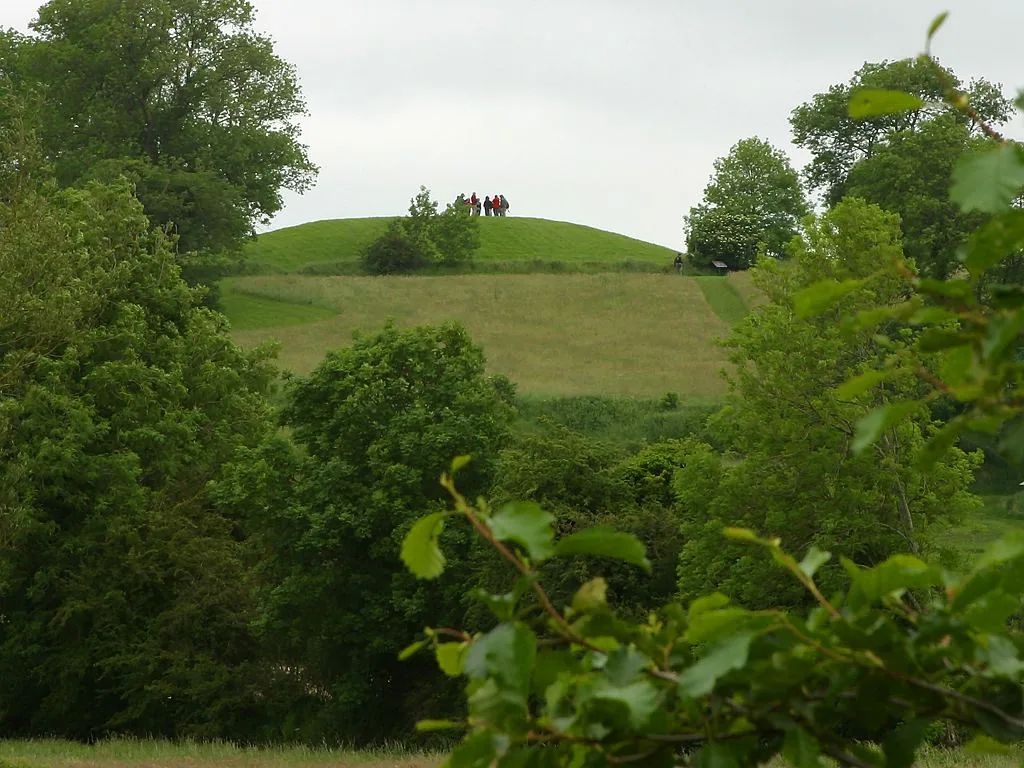
    The seat of the kings of Ulster, and the place the whole Ulster Cycle is set: Conchobar's court, the Red Branch, Cú Chulainn. Around 95 BC someone built an enormous timber structure inside it, filled it with stones and deliberately burned it — nobody knows why.

    What's left

    Navan Fort, just outside Armagh, is a green mound you can walk over. Read the Ulster Cycle first — it's on this site, in full.

    In the guideNewry, Mourne & Down →
  3. 1607 – 1610
    The Plantation of Ulster
    N Chadwick — CC BY-SA 2.0

    The Plantation of Ulster

    After the Gaelic earls left Ireland, their lands were confiscated and granted to settlers from England and, above all, lowland Scotland. It was organised, large and deliberate, and it created in one generation the two communities — one mostly Protestant and British-identifying, one mostly Catholic and Irish-identifying — whose relationship is the thread running through everything that follows.

    What's left

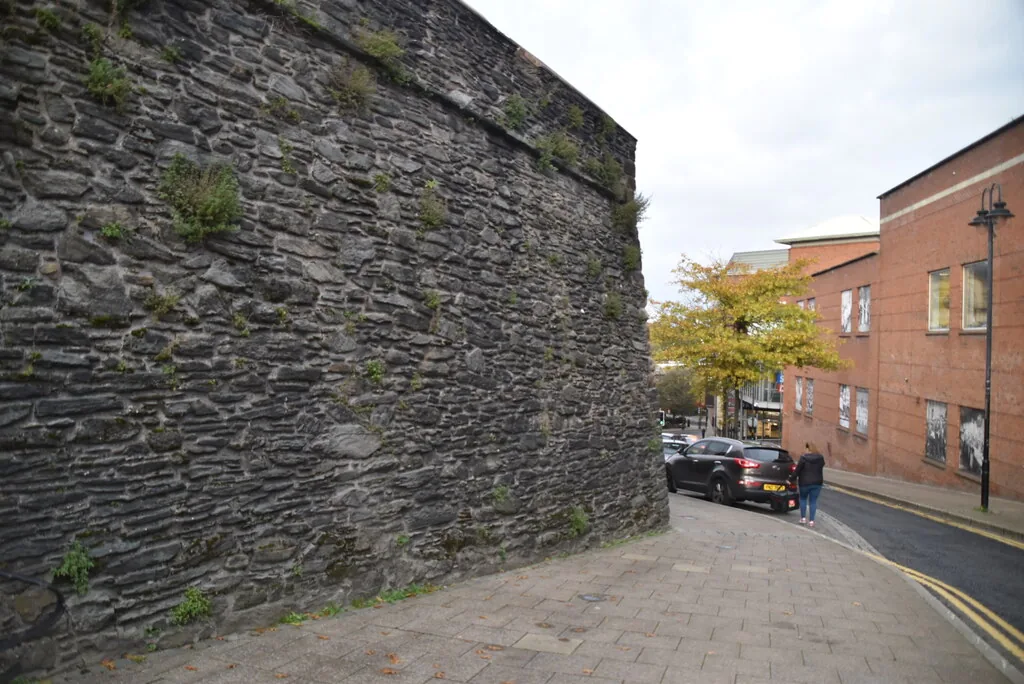
    Derry~Londonderry's walls were built for the plantation between 1613 and 1619 and are the only complete city walls in Ireland. The two names of the city are both in use, and both are correct depending on who you ask.

    In the guideDerry / Londonderry →
  4. 1688 – 1691
    The Siege and the Boyne
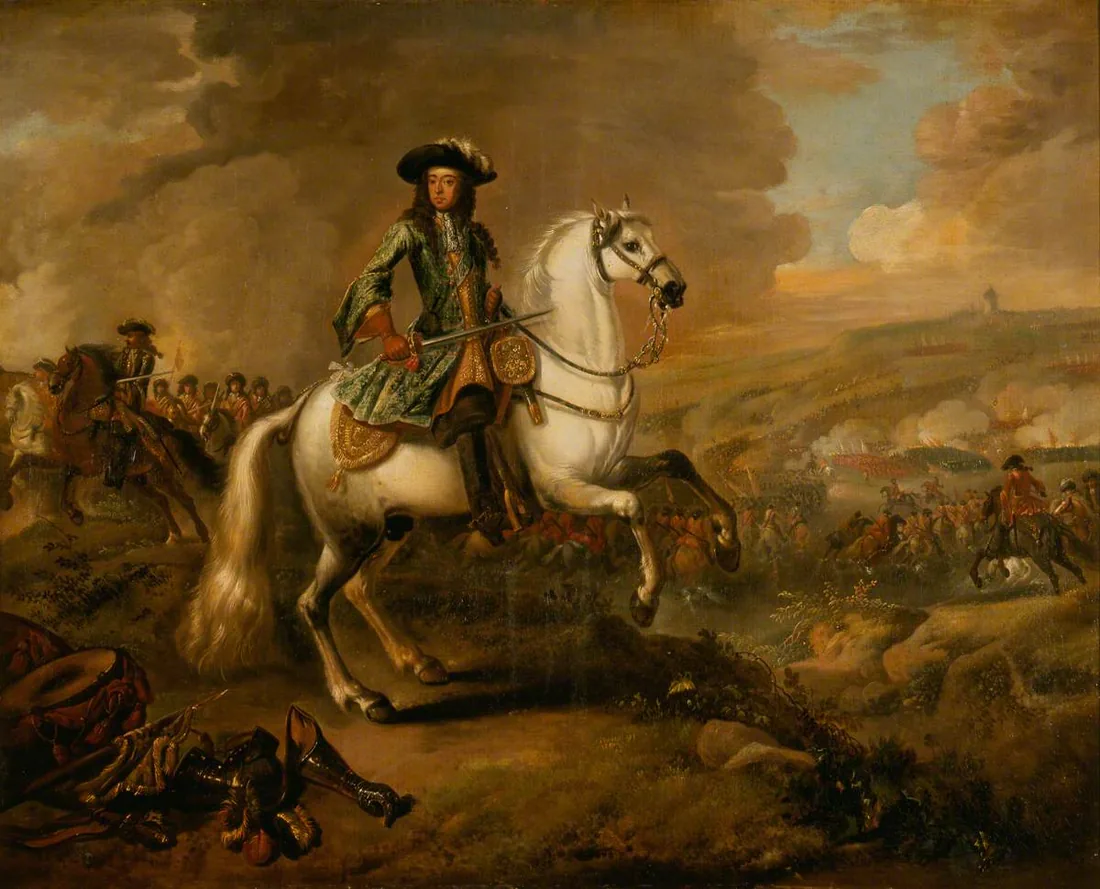
    Jan Wyck, c. 1693 — public domain

    The Siege and the Boyne

    A European war over the English throne was fought partly in Ireland: James II against William of Orange. Derry held out under siege for 105 days in 1689; William won at the Boyne in 1690. Both events are still commemorated every year, and what they mean is not agreed on — which is itself part of what a visitor should know.

    What's left

    The walls of Derry, walked end to end in an hour. The Boyne battlefield visitor centre is across the border in Meath, and tells the story from both sides.

    In the guideDerry / Londonderry →
  5. 1800s – 1912
    Linen, ships and Belfast
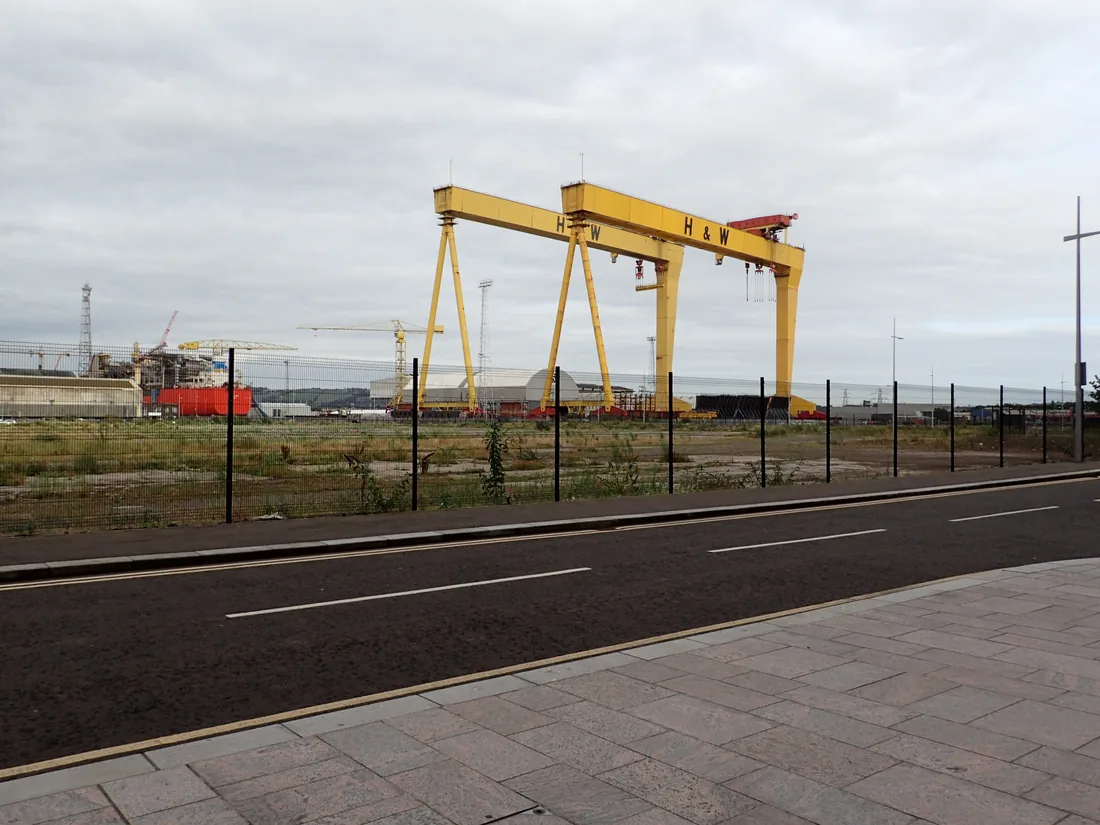
    Marathon — CC BY-SA 2.0

    Linen, ships and Belfast

    Belfast went from a town of 20,000 to a city of 400,000 in a century. Linen mills, rope works and the biggest shipyard in the world: Harland & Wolff employed 35,000 men and launched the Titanic in 1911. It was the only heavily industrial part of Ireland, and that difference is one of the reasons partition happened where it did.

    What's left

    Titanic Belfast stands on the slipway where she was built, next to the drawing offices. The Ulster Folk and Transport Museum keeps the linen machinery running.

    In the guideBelfast →
  6. 1921
    Partition
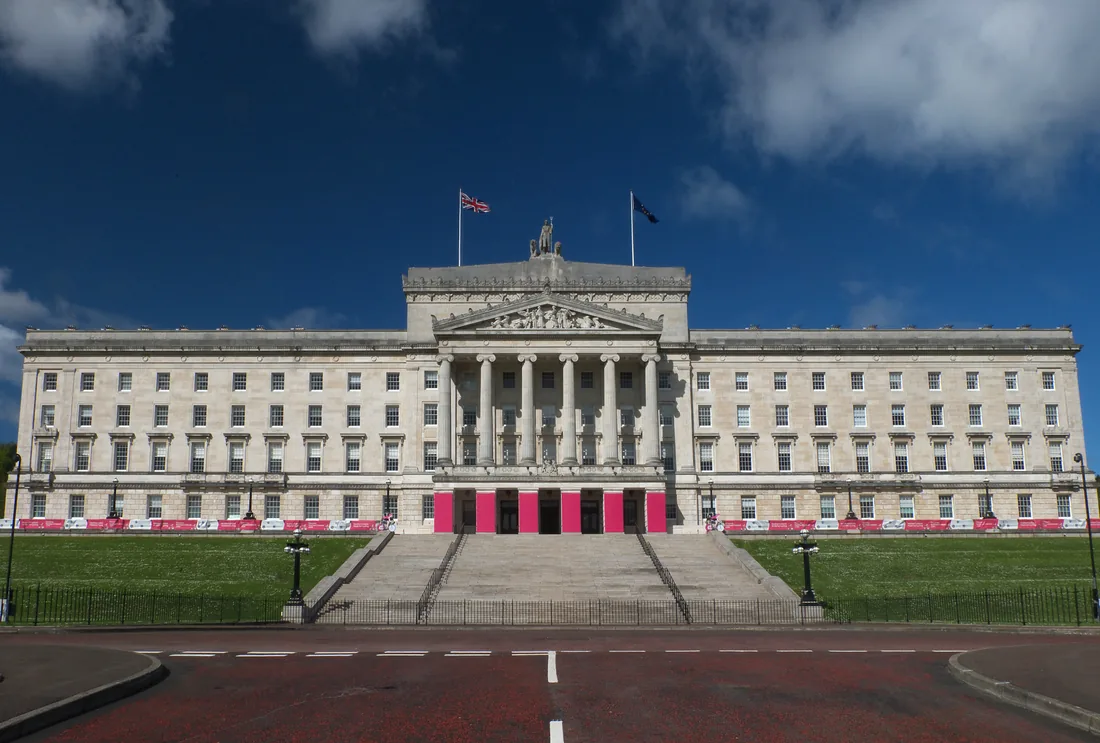
    Johndmcdonald — CC BY-SA 3.0

    Partition

    Ireland was divided: twenty-six counties went on to independence, six became Northern Ireland, with its own parliament inside the United Kingdom. The border was drawn to give a stable unionist majority, which meant a large nationalist minority ended up inside it. Nobody involved thought the arrangement was permanent, and it has now lasted a century.

    What's left

    Parliament Buildings at Stormont, east Belfast, where the Assembly still sits. The public can visit and watch from the gallery.

    In the guideBelfast →
  7. 1968 – 1998

    The Troubles

    A civil rights campaign against discrimination in housing, jobs and voting met force, and within a few years the situation had become a thirty-year conflict involving republican and loyalist paramilitaries, the police and the British Army. About 3,500 people were killed, more than half of them civilians, in a place of a million and a half. Deaths were caused by all sides. This page does not take one.

    What's left

    The Ulster Museum in Belfast has a permanent Troubles gallery that presents the period without choosing a side — it is the best single place to start.

    In the guideBelfast →
  8. 10 April 1998

    The Good Friday Agreement

    After long negotiation, an agreement was approved by referendum on both sides of the border. It set up a power-sharing government where neither community can govern without the other, and settled that the constitutional question is decided by consent. The institutions have collapsed and been restored several times since, which is what a hard-won compromise looks like in practice.

    What's left

    The border is no longer visible on the ground — you can cross it without noticing. That, more than any monument, is what the agreement built.

    In the guideBelfast →
  9. today
    Living with it
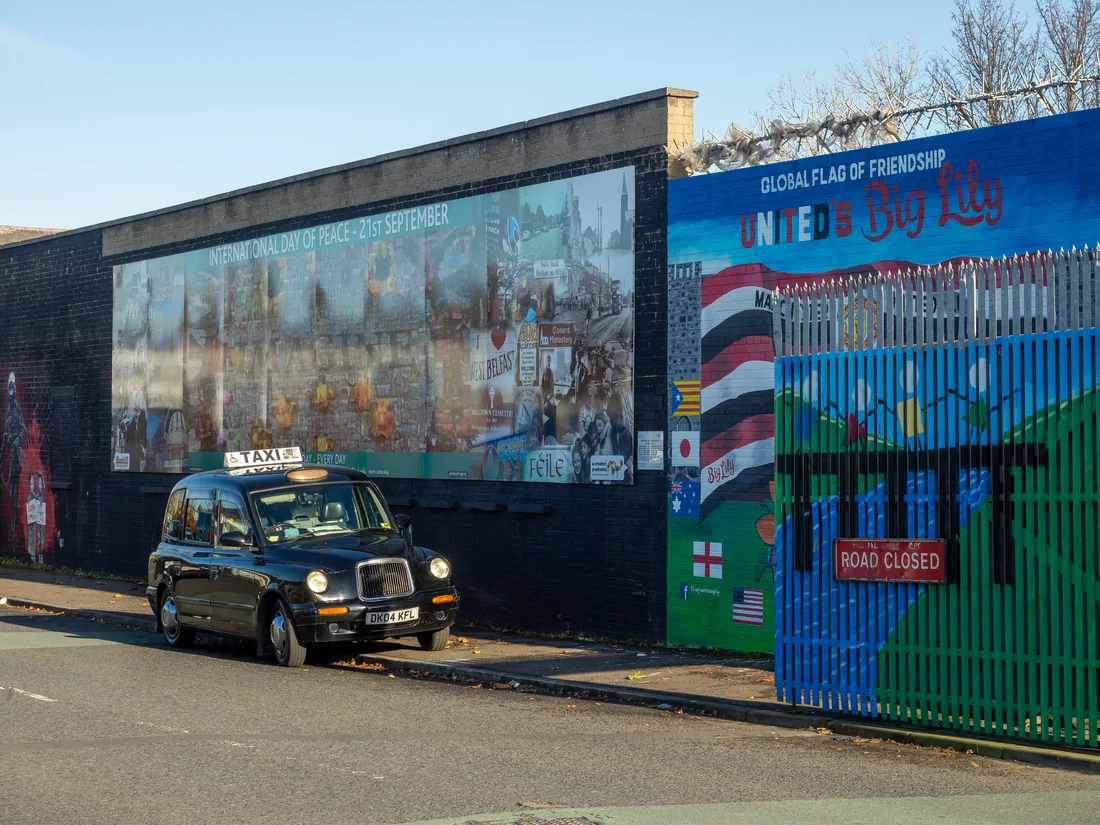
    Ajay Suresh — CC BY 2.0

    Living with it

    Belfast is a young, cheap, easy city to visit, and it is also a place where flags, murals and some thirty kilometres of «peace walls» still mark where one community ends and another begins. Both things are true at once, and visitors are welcome in all of it — provided they come to look and listen rather than to take a position.

    What's left

    The murals of the Falls and Shankill roads, and the gates in the peace walls, which most days are open. Black-taxi tours are run by people who lived it, and it is worth taking one from each side.

    In the guideBelfast →